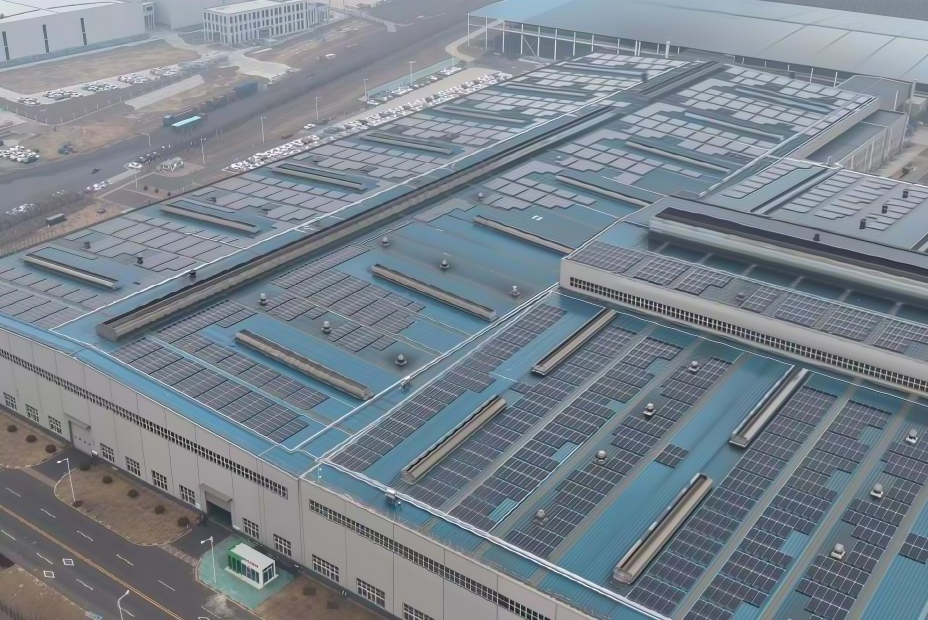
As a benchmark enterprise in the traditional heavy industry, CRBG’s green transformation practices provide a replicable energy usage model for similar enterprises. Recently, the 6.5MW distributed photovoltaic power station constructed by Midea New Energy for CRBG was successfully connected to the grid in Qinhuangdao, Hebei, precisely addressing the company's energy usage pain points, demonstrating its practical capability to assist in the green transformation of industry and commerce.
CRBG is known as the 'Cradle of Chinese Steel Bridges' and has undertaken numerous landmark projects such as the Wuhan Yangtze River Bridge and the Nanjing Yangtze River Bridge, holding a significant position in the steel bridge field. However, as a heavy industry enterprise, its production process is complex and energy demand is substantial, causing the traditional energy consumption model to not only increase operating costs but also put it under urgent pressure to transform in line with the dual carbon goals. Laying out distributed photovoltaic power stations has become the core approach for companies to optimize their energy structure and implement green production—capable of independently supplying clean electricity, reducing dependence on traditional energy, and achieving sustainable development through carbon reduction, aligning with the industry's major transformation trend.
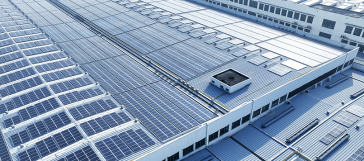
Tailoring a specific solution for the China Railway Shanqiao plant scenario and energy demand, Midea New Energy fully utilized the 28965m² steel color plate roof area of the plant, configuring 10362 pieces of 635Wp high-efficiency modules, with a total installed capacity reaching 6.5MW. The project adopts a 10kV high-voltage grid connection mode, implementing a 'self-generated, self-used, excess power to the grid' mechanism. It requires only one connection point to access the high-voltage side of the park, capable of meeting over 60% of the company's electricity demand, and saving more than one million yuan in electricity costs annually.
Midea New Energy efficiently completes project delivery, ensuring power station quality. From project acceptance to grid connection testing, each step is rigorously controlled to balance the stability of the power station with the company's core demands for schedule and quality. The project has shown significant results after being put into use: the first-year power generation is approximately 8,034,700 kWh, with an annual utilization hour of 1,233 hours; Based on a 25-year full life cycle assessment, the cumulative power generation will exceed 191,000,000 kWh, saving 57,500 tons of standard coal and reducing CO2 emissions by 157,500 tons. This achievement not only reduced the production energy costs for China Railway Shanqiao, but also promoted its transition from a high-energy-consuming production model to a low-carbon circular model, effectively implementing green development goals.
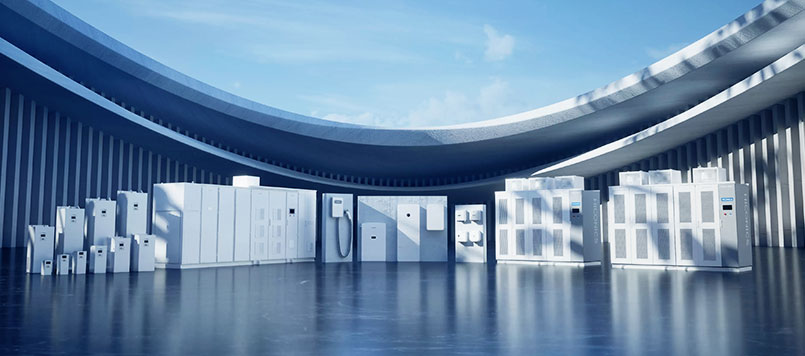
The success of the China Railway Shanqiao project is a vivid reflection of Midea New Energy's in-depth development in the industrial and commercial distributed photovoltaic sector. The integrated energy solution it provides, including source-grid-load-storage-carbon, can combine the energy usage characteristics of different industries and parks to achieve intelligent and visualized energy dispatch from five dimensions: energy supply, energy transmission, energy storage, energy use, and energy recycling, meeting both the cost reduction and efficiency improvement needs of enterprises and the dual demands of low-carbon transformation, providing one-stop green zero-carbon services.
Under the dual carbon goals, the optimization of energy use and green transformation in the industrial and commercial sectors have become core issues that need to be urgently addressed. Midea New Energy is not only committed to serving individual enterprises but also strives to provide implementable green energy solutions for the entire industry. In the future, Midea New Energy will continue to help more industrial and commercial enterprises solve energy use problems and achieve green transformation, playing a supporting role in the implementation of dual carbon strategies and promoting the coordinated development of industries and ecosystems.

The official WeChat
official account of Hiconics

The official WeChat
account of Midea Photovoltaic